Ensuring safety on Mount Kilimanjaro involves thorough preparation, adherence to guidelines, and being mindful of potential risks associated with high-altitude trekking. Here are some essential safety precautions and procedures:
1. Acclimatization: Allow sufficient time for acclimatization to the high altitude. Opt for longer routes that offer gradual ascent profiles, such as the Lemosho or Northern Circuit routes. Follow the “climb high, sleep low” principle to aid acclimatization.
2. Physical preparation: Undertake adequate physical training to prepare for the rigors of the climb. Focus on cardiovascular exercises, strength training, and hiking to build endurance and stamina.
3. Altitude sickness prevention: Be vigilant for symptoms of altitude sickness, including headaches, nausea, dizziness, and fatigue. Ascend slowly, drink plenty of water to stay hydrated, and consider taking medication like acetazolamide (Diamox) to prevent altitude-related illnesses.
4. Weather awareness: Keep track of weather forecasts before and during the climb. Be prepared for sudden changes in weather conditions, including rain, snow, wind, and extreme temperatures. Dress in layers and carry appropriate gear for protection against the elements.
5. Stay hydrated and well-nourished: Drink plenty of fluids to prevent dehydration, especially in the dry air at high altitudes. Consume a balanced diet rich in carbohydrates, proteins, and fats to fuel your body for the climb.
6. Follow guide instructions: Listen to the instructions of your guide and follow their advice regarding pacing, rest breaks, and safety protocols. They are trained to assess risks and make informed decisions to ensure the safety of the group.
7. Emergency procedures: Familiarize yourself with emergency procedures, including evacuation routes and communication protocols. Carry a first aid kit, emergency whistle, and personal locator beacon (PLB) or satellite phone for communication in case of emergencies.
8. Environmental awareness: Respect the fragile ecosystems of Mount Kilimanjaro and follow Leave No Trace principles. Dispose of waste properly, minimize impact on vegetation, and refrain from disturbing wildlife.
9. Know your limits: Be honest about your physical fitness and abilities. Don’t push yourself beyond your limits, and communicate any concerns or symptoms of illness to your guide immediately.
By following these safety precautions and procedures, climbers can minimize risks and enhance their chances of a safe and successful ascent of Mount Kilimanjaro.
 8 Days Shira Route8 Days Shira Route
 8 Days Lemosho Route8 Days Lemosho Route
 7 Days Umbwe Route7 Days Umbwe Route
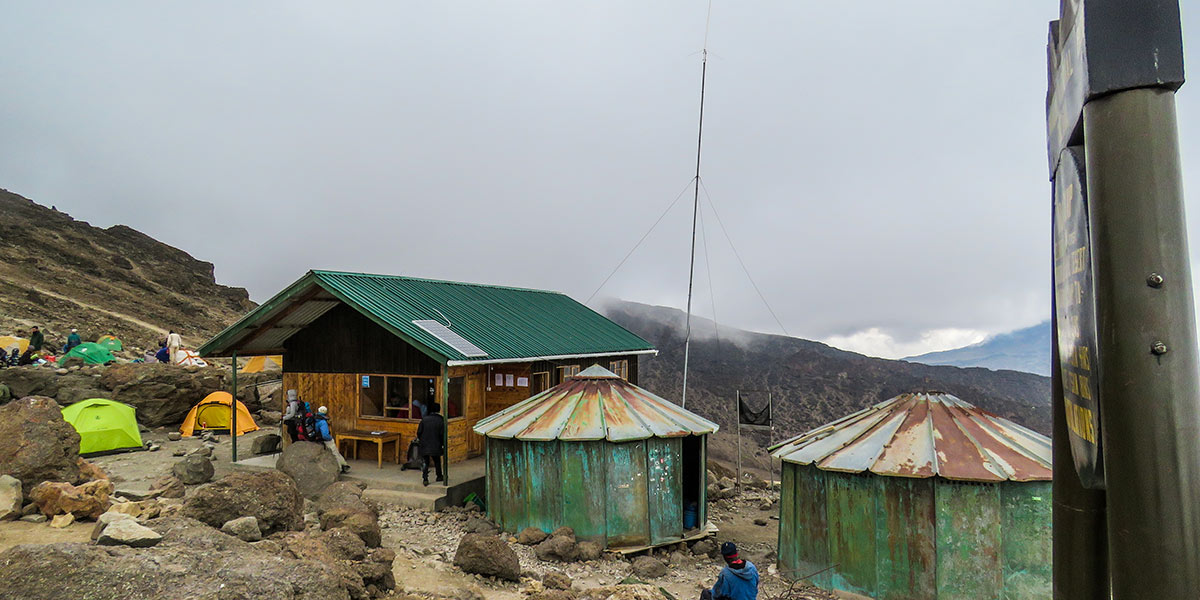 7 Days Rongai Route7 Days Rongai Route
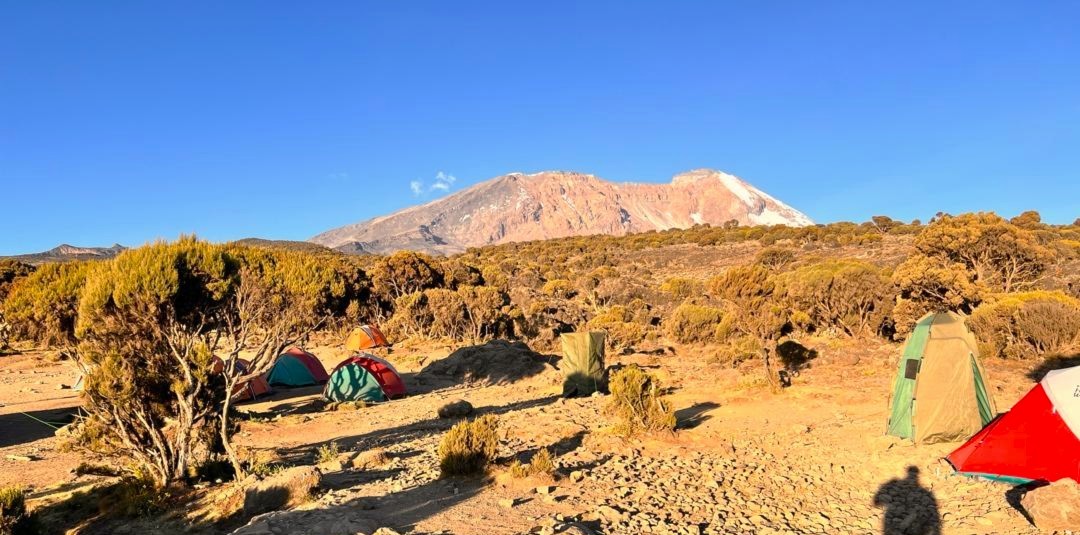 7 Days Machame Route7 Days Machame Route
 7 Days Lemosho Route7 Days Lemosho Route
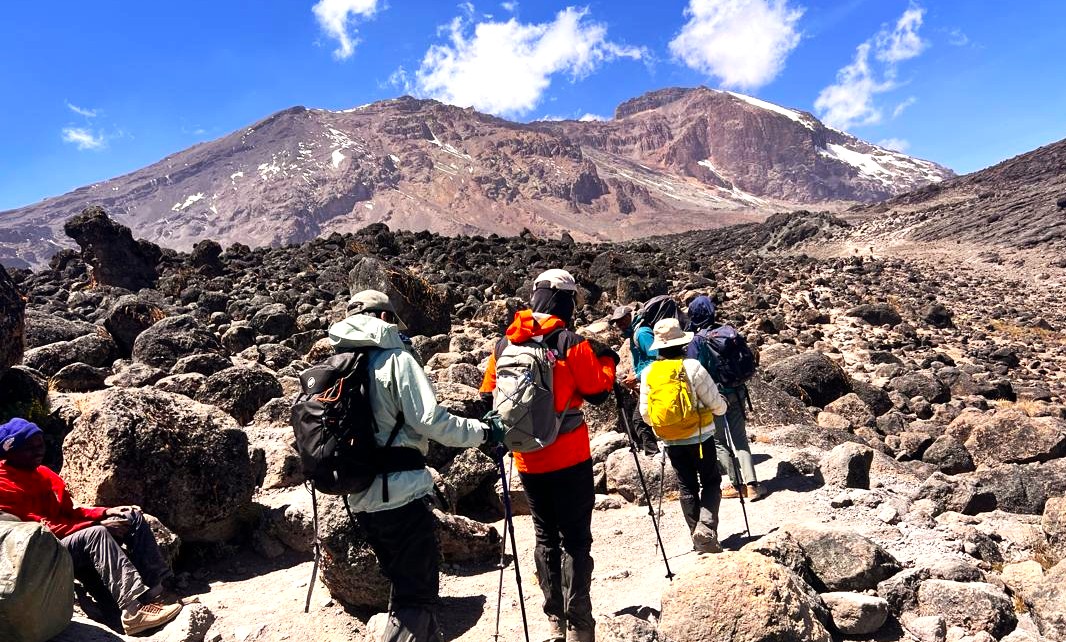 6 Machame Route6 Machame Route
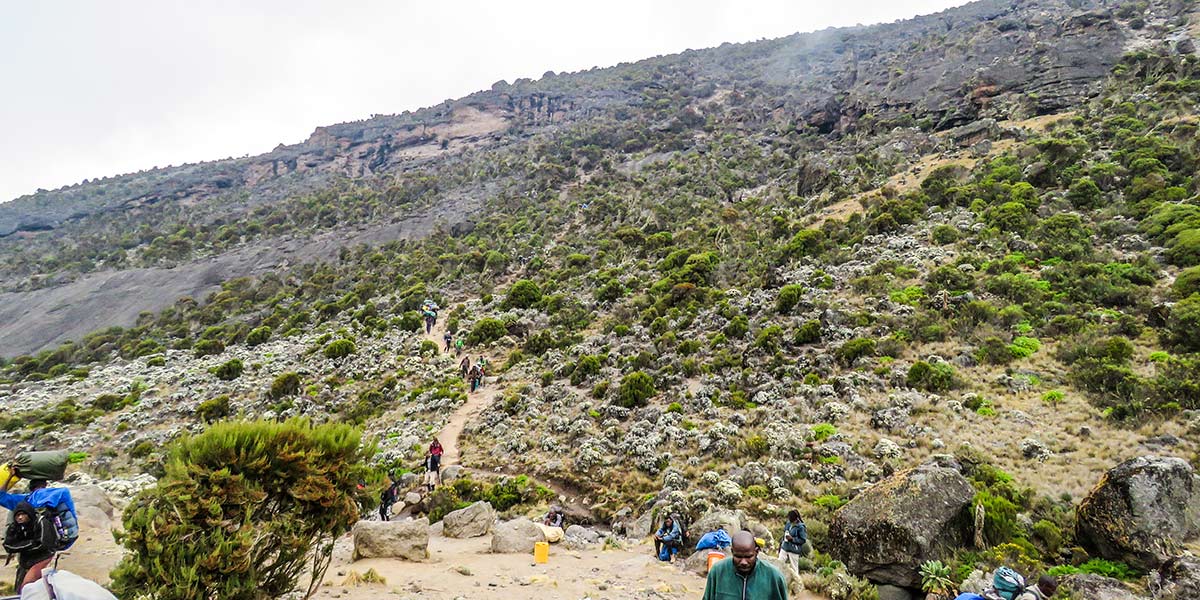 6 Days Marangu Route6 Days Marangu Route
 5 Days Marangu Route5 Days Marangu Route