Physical training is essential preparation for climbing Mount Kilimanjaro, as it is a demanding trek that requires good cardiovascular fitness, strength, and endurance. Here’s a guide to developing a training regimen for Kilimanjaro:
1. Cardiovascular exercise: Focus on activities that elevate your heart rate and improve cardiovascular fitness, such as hiking, walking, running, cycling, swimming, or using cardio machines like treadmills or ellipticals. Aim for at least 3-4 sessions per week, gradually increasing the duration and intensity of your workouts over time.
2. Strength training: Incorporate strength training exercises to build muscle strength and endurance, especially in your legs, core, and upper body. Include exercises such as squats, lunges, deadlifts, calf raises, planks, push-ups, and pull-ups in your routine. Aim for 2-3 sessions per week, focusing on full-body workouts that target major muscle groups.
3. Endurance training: Train for long-duration activities to build endurance and stamina for sustained physical exertion. Gradually increase the duration and intensity of your workouts, incorporating longer hikes or walks, extended cycling or running sessions, and multi-day backpacking trips to simulate the demands of trekking on Kilimanjaro.
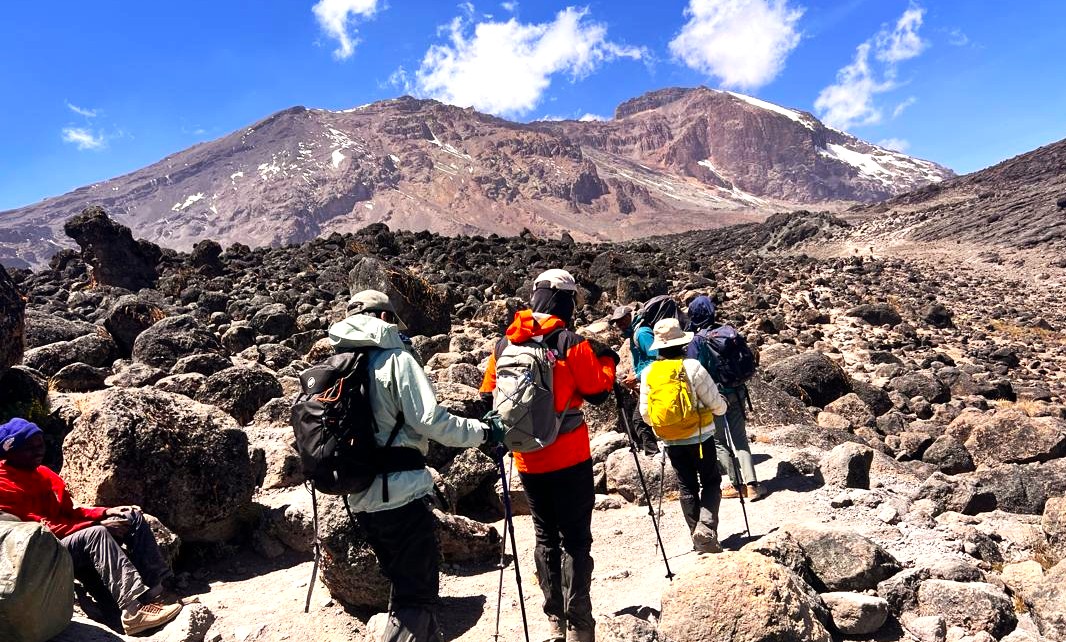
4. Hiking practice: If possible, incorporate hiking practice into your training regimen to simulate the terrain and conditions you’ll encounter on Kilimanjaro. Gradually increase the difficulty and duration of your hikes, including uphill climbs, varied terrain, and longer distances to build hiking-specific endurance and familiarity with carrying a backpack.
5. Altitude simulation: While it may be challenging to simulate high-altitude conditions if you don’t live at elevation, consider training at higher altitudes if possible or using altitude training masks or altitude simulation tents to acclimate your body to lower oxygen levels. These methods can help improve your tolerance to altitude and reduce the risk of altitude sickness on Kilimanjaro.
6. Flexibility and mobility: Don’t forget to incorporate flexibility and mobility exercises into your training routine to improve range of motion, reduce the risk of injury, and enhance overall performance. Include stretching, yoga, foam rolling, and mobility drills to maintain suppleness and prevent stiffness in your muscles and joints.
7. Rest and recovery: Allow adequate time for rest and recovery between workouts to prevent overtraining and reduce the risk of injury. Listen to your body, and adjust your training intensity or schedule as needed to avoid burnout and maintain motivation.
Remember to start your training regimen well in advance of your Kilimanjaro climb, ideally several months before your scheduled departure date, to allow sufficient time to build fitness and endurance gradually. Consistency is key, so stick to your training plan, stay motivated, and trust in your preparation as you embark on the adventure of a lifetime on Mount Kilimanjaro.
 8 Days Shira Route8 Days Shira Route
 8 Days Lemosho Route8 Days Lemosho Route
 7 Days Umbwe Route7 Days Umbwe Route
 7 Days Rongai Route7 Days Rongai Route
 7 Days Machame Route7 Days Machame Route
 7 Days Lemosho Route7 Days Lemosho Route
 6 Machame Route6 Machame Route
 6 Days Marangu Route6 Days Marangu Route
 5 Days Marangu Route5 Days Marangu Route