Mount Kilimanjaro, located in Tanzania, is the highest freestanding mountain in the world, rising abruptly from the surrounding plains to an astonishing height of 5,895 meters (19,341 feet) above sea level. This towering stratovolcano is a prominent feature of the East African landscape and is renowned for its snow-capped peak, which stands in stark contrast to the equatorial climate below.
Kilimanjaro is composed of three distinct volcanic cones: Kibo, Mawenzi, and Shira. Kibo, the highest and central cone, is dormant and hosts the famous Uhuru Peak, the highest point on Kilimanjaro and the entire African continent. Mawenzi, to the east, is older and more eroded, while Shira, to the west, is largely collapsed and is now only a remnant of its former self.
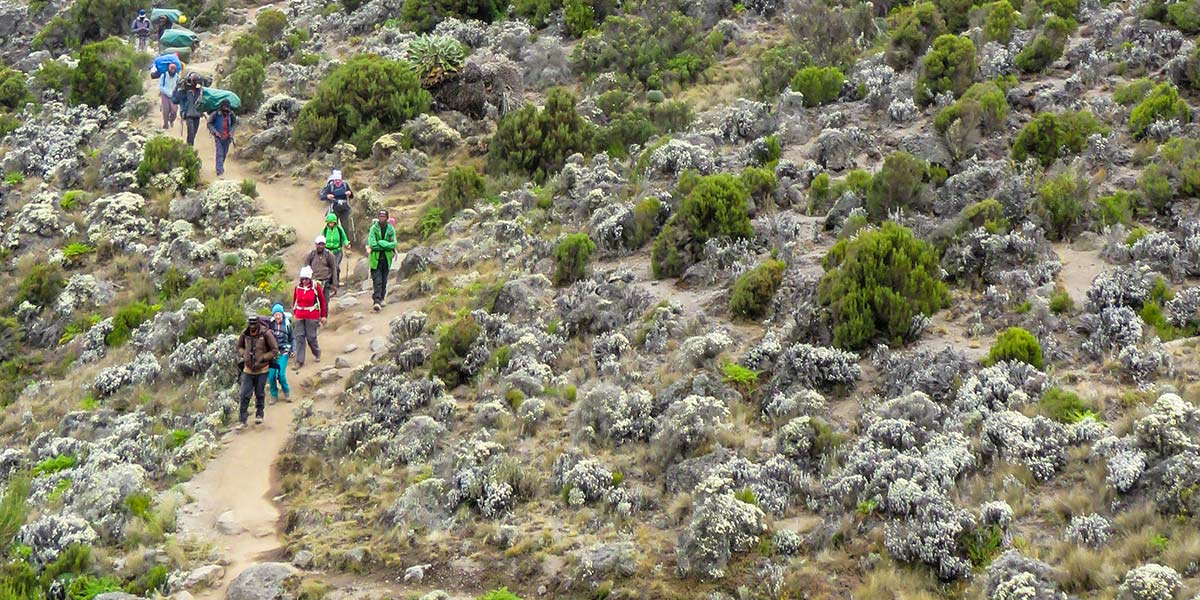
The mountain’s slopes boast a remarkable range of ecosystems, each characterized by unique flora and fauna. At the base, lush rainforests thrive, providing a habitat for a diverse array of plant and animal species, including monkeys, birds, and elusive forest elephants. As climbers ascend, they pass through montane forests, heath and moorland zones, and eventually alpine desert, where the landscape becomes increasingly barren and inhospitable.
Despite its proximity to the equator, Kilimanjaro’s summit is perpetually capped with snow and ice, a result of its high elevation and cold temperatures. However, the glaciers that once adorned the peak have been steadily receding in recent decades due to climate change, a sobering reminder of the environmental impact of human activity.
Climbing Kilimanjaro is a bucket-list adventure for many outdoor enthusiasts, offering a range of routes catering to different skill levels and preferences. Popular routes include the Marangu Route, known for its simplicity and comfort, and the Machame Route, celebrated for its scenic beauty and diverse landscapes. Regardless of the chosen route, climbers are treated to breathtaking vistas and a profound sense of accomplishment upon reaching the summit.
Mount Kilimanjaro holds a special place in the hearts of Tanzanians and people around the world, symbolizing the beauty and majesty of Africa’s natural wonders. Its towering presence and challenging ascent continue to inspire awe and admiration, drawing adventurers from far and wide to test their limits and experience the thrill of standing atop the “Roof of Africa.”
 8 Days Shira Route8 Days Shira Route
 8 Days Lemosho Route8 Days Lemosho Route
 7 Days Umbwe Route7 Days Umbwe Route
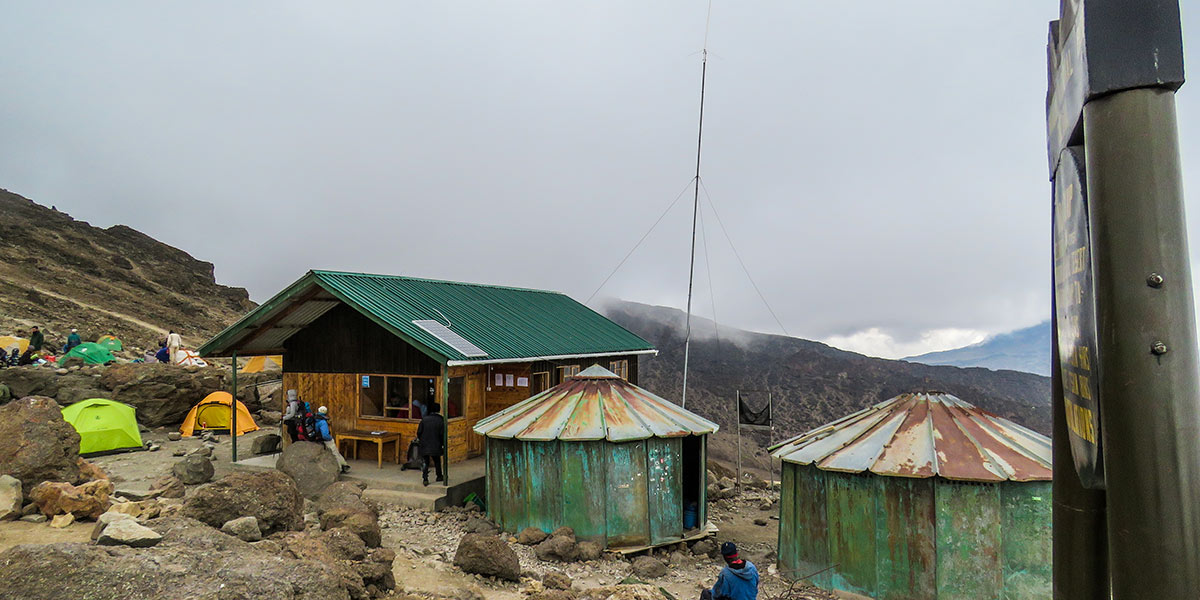 7 Days Rongai Route7 Days Rongai Route
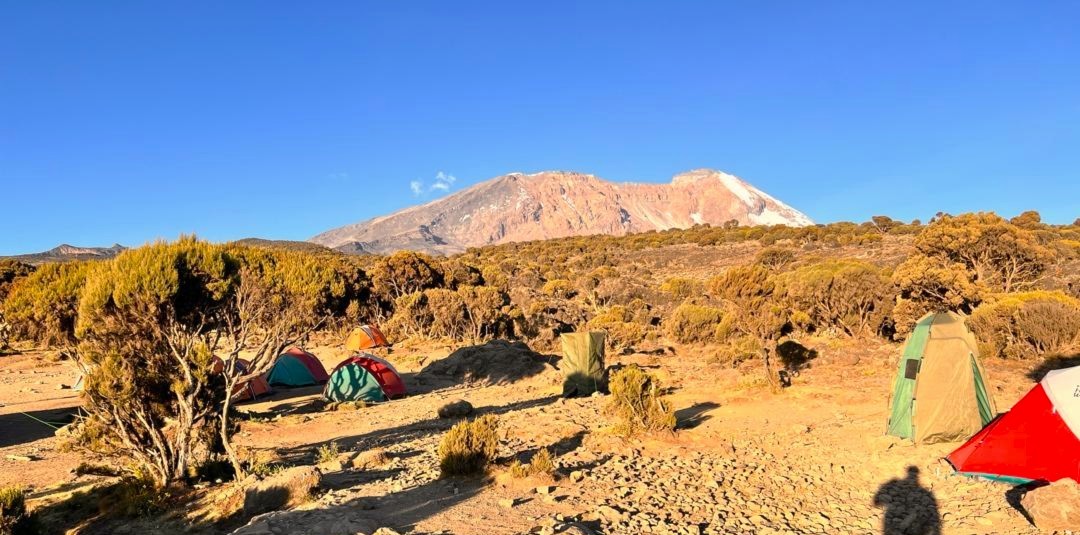 7 Days Machame Route7 Days Machame Route
 7 Days Lemosho Route7 Days Lemosho Route
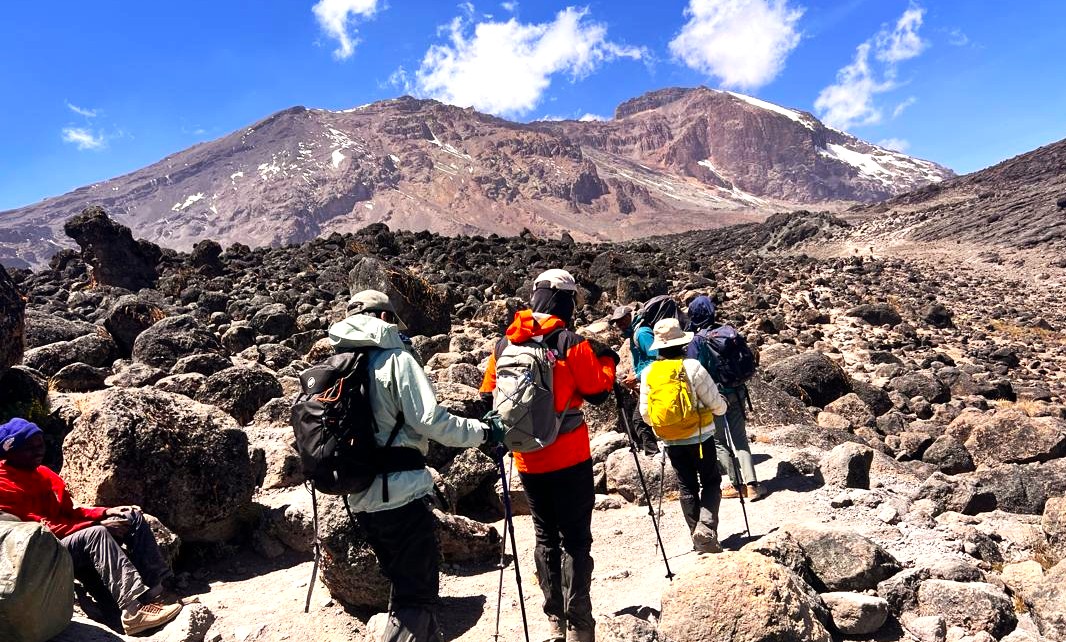 6 Machame Route6 Machame Route
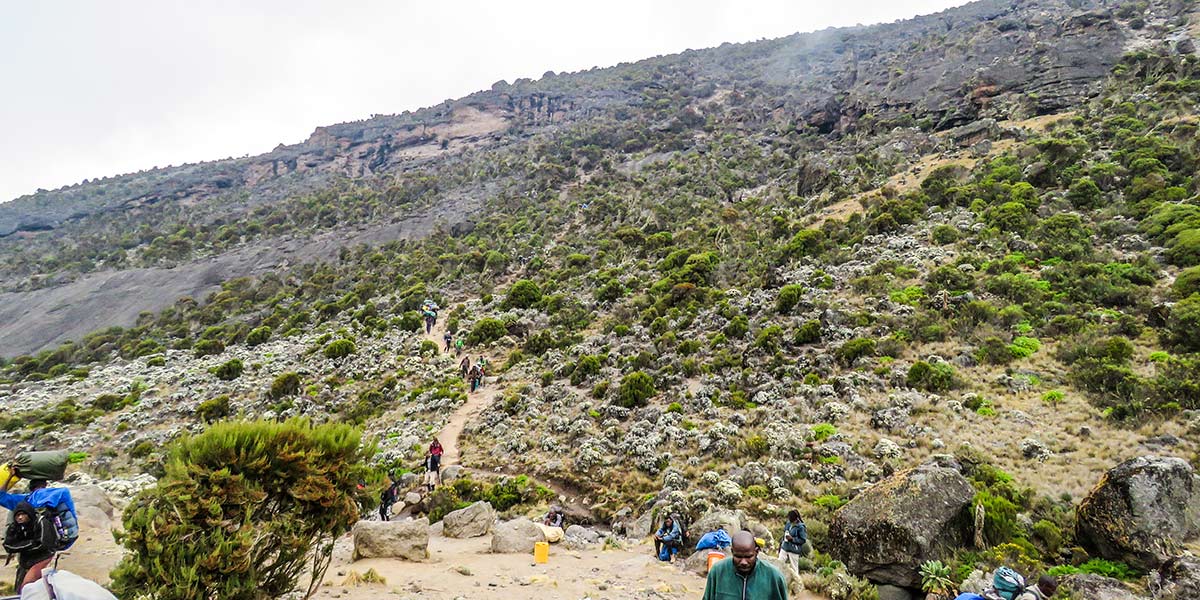 6 Days Marangu Route6 Days Marangu Route
 5 Days Marangu Route5 Days Marangu Route