The duration of a Mount Kilimanjaro climb can vary depending on several factors, including the chosen route, the climber’s fitness level, and the time allocated for acclimatization. On average, most climbers take between five to nine days to complete the ascent and descent. Here’s a breakdown of the typical duration for each route:
1. Marangu Route: This is the shortest route, commonly referred to as the “Coca-Cola Route” due to its amenities. It typically takes about five to six days to complete, with four to five days of ascent and one to two days for descent.
2. Machame Route: This route is one of the most popular and scenic options. It typically takes six to seven days to complete, with five to six days for ascent and one to two days for descent.
3. Lemosho Route: Known for its scenic beauty and high success rates, the Lemosho Route usually takes about seven to eight days to complete, with six to seven days for ascent and one to two days for descent.
4. Rongai Route: This is the only route that approaches Kilimanjaro from the north. It typically takes about six to seven days to complete, with five to six days for ascent and one to two days for descent.
5. Northern Circuit Route: The longest route, known for its panoramic views and excellent acclimatization profile. It typically takes about seven to nine days to complete, with six to eight days for ascent and one to two days for descent.
6. Umbwe Route: Climbing Mount Kilimanjaro via the Umbwe Route typically takes around 6 to 7 days. Starting at the Umbwe Gate, climbers ascend steeply through dense forest to reach Umbwe Camp on the first day. The journey continues with challenging terrain and stunning views as they progress through Barranco Camp, Karanga Camp, and Barafu Camp, the base for the summit attempt. The summit push typically begins in the early hours of the morning on the sixth day, culminating in reaching Uhuru Peak, the highest point in Africa. After descending back to Barafu Camp and then further down to Mweka Camp, climbers complete their journey with a descent to Mweka Gate on the seventh day, where they receive certificates of achievement.
These durations include time for acclimatization, which is crucial for preventing altitude-related illnesses. It’s essential to choose a route that aligns with your fitness level and allows for proper acclimatization to increase your chances of reaching the summit safely. Additionally, some climbers may opt for longer durations to increase their chances of success or for a more leisurely pace.
 8 Days Shira Route8 Days Shira Route
 8 Days Lemosho Route8 Days Lemosho Route
 7 Days Umbwe Route7 Days Umbwe Route
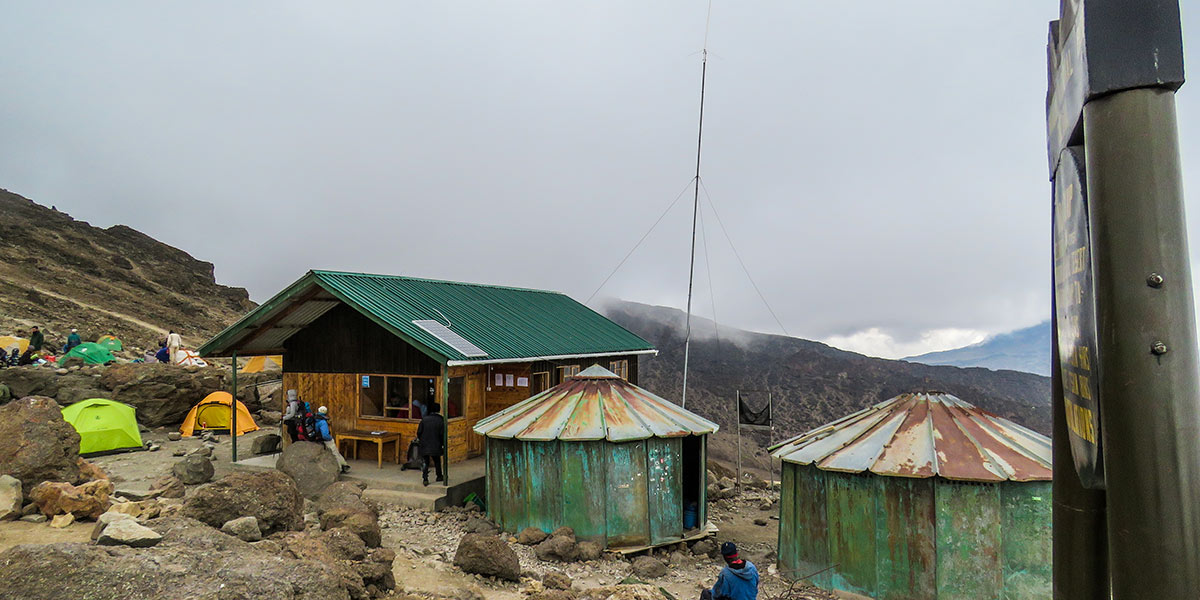 7 Days Rongai Route7 Days Rongai Route
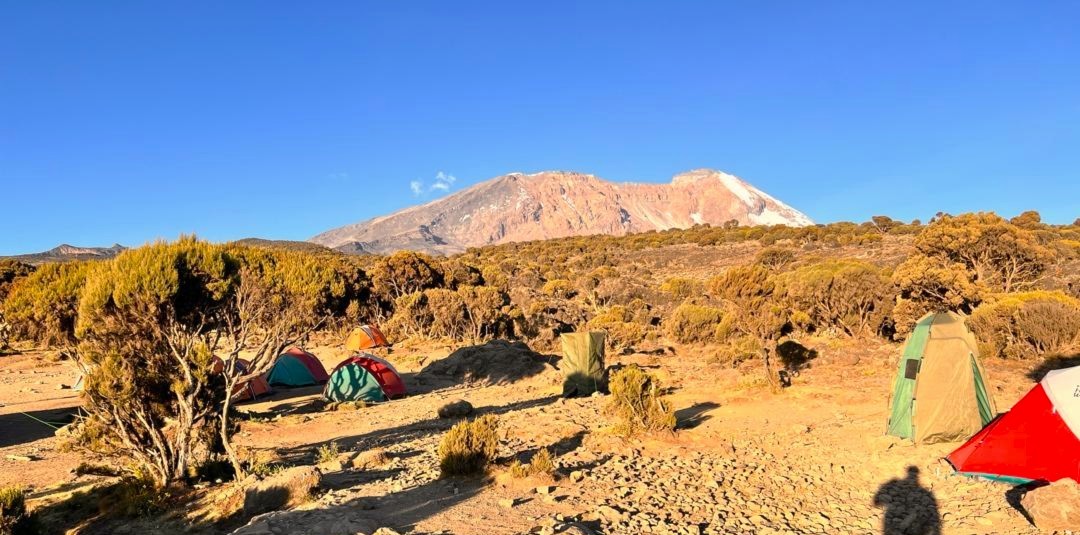 7 Days Machame Route7 Days Machame Route
 7 Days Lemosho Route7 Days Lemosho Route
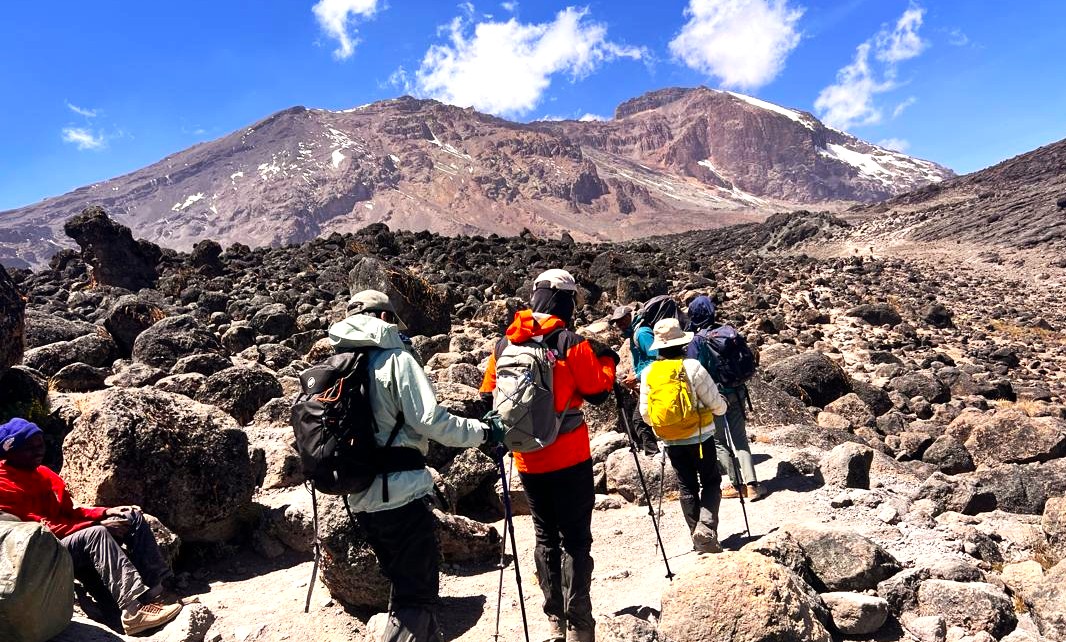 6 Machame Route6 Machame Route
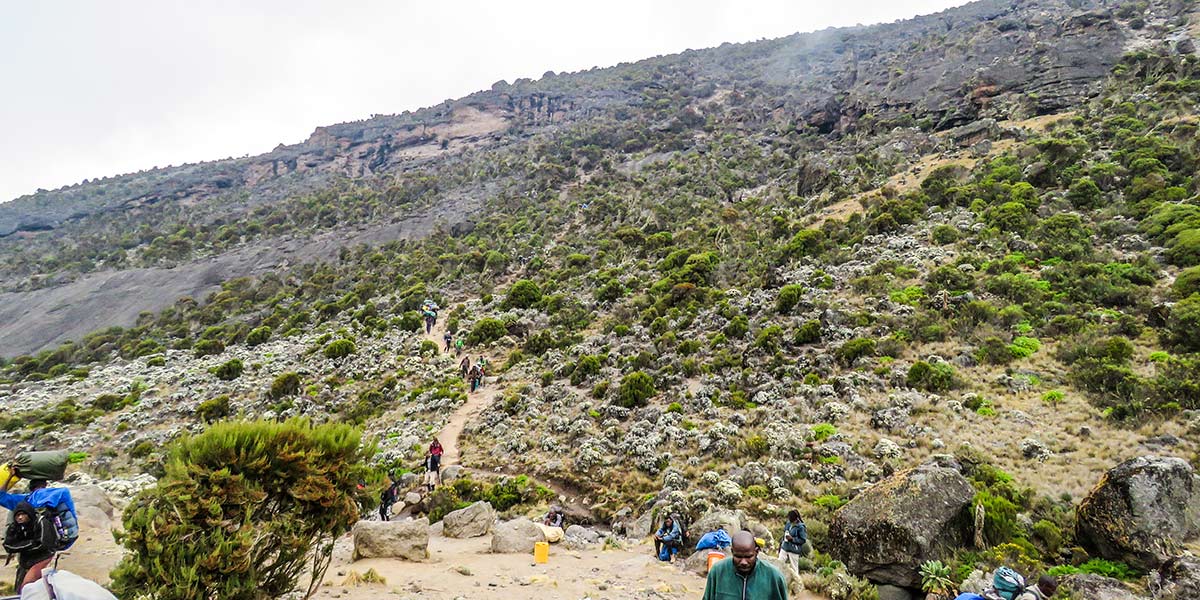 6 Days Marangu Route6 Days Marangu Route
 5 Days Marangu Route5 Days Marangu Route